Collection: From Settlement to the Eve of Revolution - 1600s to 1763
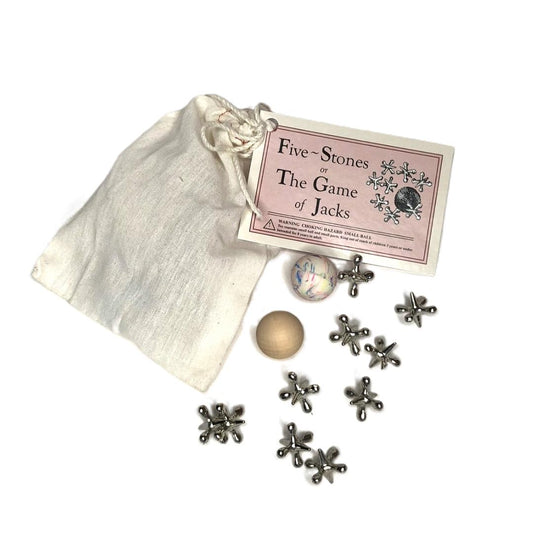
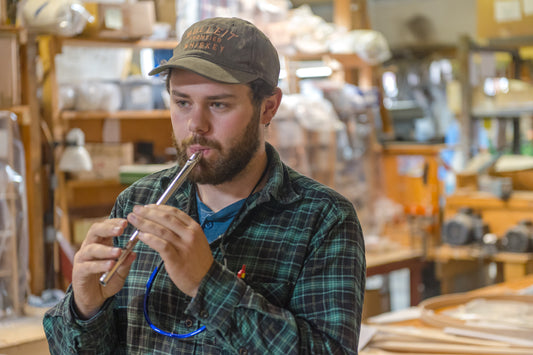
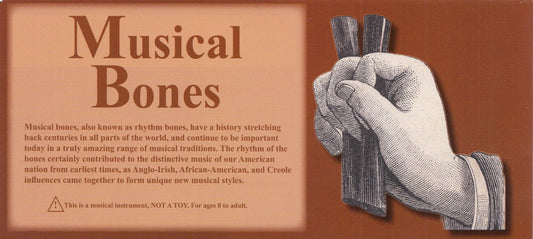
The early 1600s saw the influx of thousands of European colonists in North America. No longer primarily military outposts or temporary fishing and trading settlements, the newly established colonies were attracting families of emigrants. Children worked hard to help the family, and make toys and games from whatever was at hand; they may have been surprised to find that Native American children had toys and games very similar to their own. Folk music was a simple pleasure for adult and children alike.
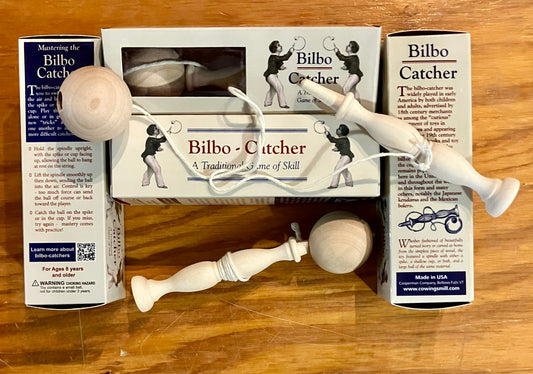
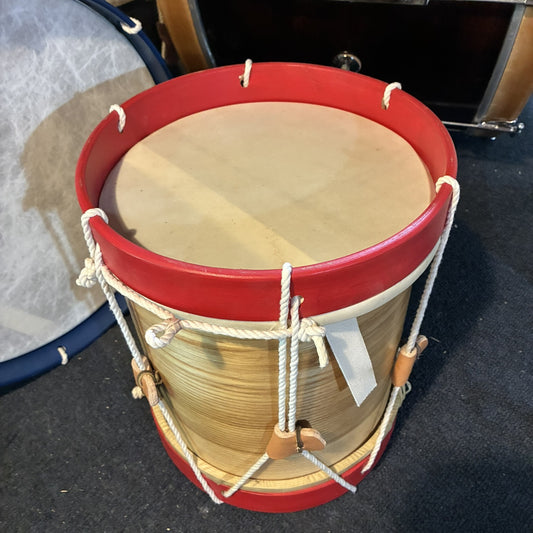
As the colonies grew and prospered, fortunate children would have received toys and games imported from Europe. By 1713, Ben Franklin notes a toy store in Boston; by 1759, advertisements for toy stores appear throughout the colonies, naming bilboquets, toy drumsticks, fifes, whistles, and jaw harps, among other items.
We do not interpret Native American history, which extends back for centuries before the arrival of the European colonists. We respect that the histories and cultural traditions of Indigenous peoples are best shared by the Nations and communities to whom they belong, and we encourage visitors to seek out those voices and resources directly.
More to Explore:
National Museum of the American Indian (Smithsonian)
Colonial Williamsburg
National Museum of African American History and Culture
National Museum of American History
 Sold out